Can Heritage and Nature Recover Together?
Gain Director Colette Holden reflects on the Ecological Audit delivered for the Cornwall and West Devon Mining Landscapes World Heritage Site.
Nature and history are intertwined
Walk across almost any historic landscape in Britain and it is easy to separate the story into neat chapters. There is the human story: mines, quarries, field boundaries, settlements, transport routes and industry; and then there is the natural story: woodlands, grasslands, rivers, wetlands and wildlife.
We often talk about these as if they exist independently of one another. - but they don’t - obviously?
Every landscape we value today is the product of centuries of interaction between people and nature. The stone hedges that define the Cornish countryside, the spoil heaps that now support rare plants, the ancient woodland shaped by generations of coppicing, and the river valleys that powered industry all remind us that landscapes are living records of change.
Perhaps that is why I find the relationship between heritage and nature so very interesting. Rather than seeing heritage as something that limits nature, I believe that heritage and nature recovery can go hand in hand. So it was extra special when I was asked to carry out an ecological audit of the Cornwall and West Devon Mining Landscapes World Heritage Site.
Looking Beyond Designations
When people hear the words World Heritage Site, they often imagine preservation - A place protected from change and frozen in time.
In reality, World Heritage Sites are living places. People live and work within them. Farms continue to evolve. Rivers continue to shape valleys. Habitats respond to changing management, invasive species and our changing climate.
The Cornwall and West Devon Mining Landscape World Heritage Site’s global significance lies in its industrial heritage, yet the landscape also contains internationally important habitats, extensive lowland heath, ancient woodlands, species-rich grasslands, river corridors and an extraordinary mosaic of wildlife that has developed alongside centuries of mining activity.
Understanding those ecological relationships is every bit as important as understanding the history. The two are inseparable, and it was great to hear the WHS team explain how keen the WHS partnership is to understand the WHS’s nature value. They were particularly interested in understanding explicitly how the Outstanding Universal Value ( OUV - heritage features that underpin the designation) of the WHS supported nature, and in ensuring they had the right information to plan for nature recovery in ways that ensured the ongoing protection of the OUV.
Landscapes Never Stand Still
One of the biggest misconceptions in landscape management is that conservation means preventing change. However, the challenge is not deciding whether landscapes should change - landscapes are constantly changing- it is deciding how they should change while retaining the qualities that make them special.
That is where ecological auditing becomes rather valuable. Rather than simply recording habitats or species, it helps us understand ecological function. Where are habitats connected? Where are the opportunities to strengthen ecological networks? Which features are becoming increasingly important as the climate changes, and are we managing change to keep pace with it? Where can heritage and biodiversity support one another rather than compete?
These questions shift the conversation away from protecting individual features towards managing whole landscapes. The ecological audit was a major piece of work, seeking out every piece of information ever written and every data point ever recorded on the nature value of the World Heritage Site, from both national and local organisations. The information was organised into a comprehensive gazetteer, which was used to develop a narrative around the importance of the WHS sites and features for nature.
Primary habitats and species were summarised, and species trends were analysed from over 800,000 species records, spanning 25 years. A landscape change analysis was also undertaken, supported by Gain Associate Dr Grace Twiston-Davies, using land cover data from the Centre for Ecology and Hydrology between 2000 and 2024. The information informed detailed nature profiles for each of the ten separate geographical areas of the designation.
The final report examined opportunities and threats to nature within the WHS, and the WHS's strengths and weaknesses in meeting the challenge of nature’s decline, making recommendations for nature recovery priorities and biodiversity monitoring indicators for the World Heritage Site.
The Hidden Ecology of Industrial Landscapes
So what did we find? The audit made it clear that industrial heritage landscapes are often underestimated in terms of their nature value.
Spoil heaps can become refuges for rare plants adapted to metalliferous soils, and provide loose substrate for mining bees
Abandoned tramways become wildlife corridors
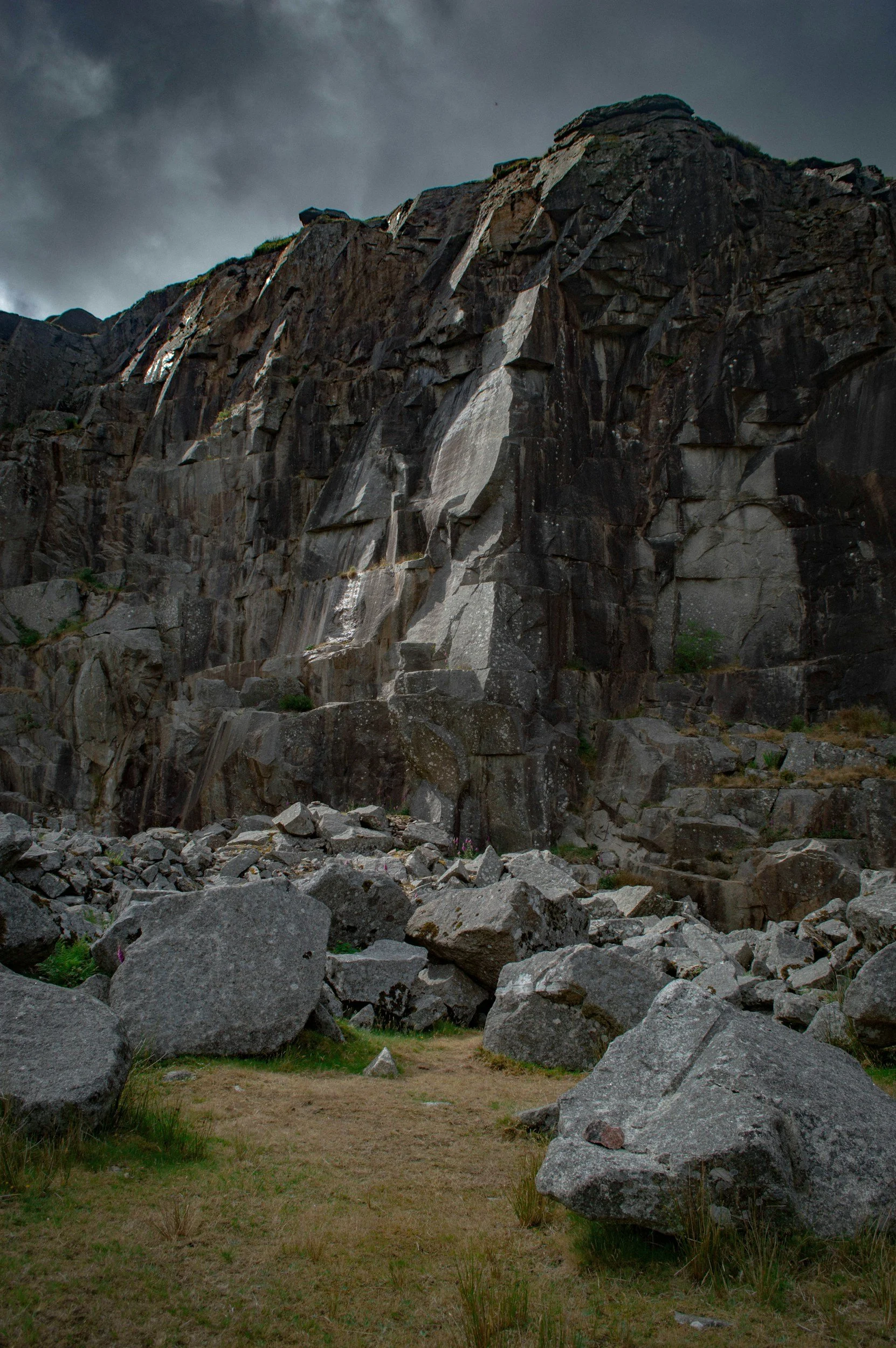
Old quarries support cliff and wetland habitats.
Stone walls provide shelter for lichens, mosses and reptiles
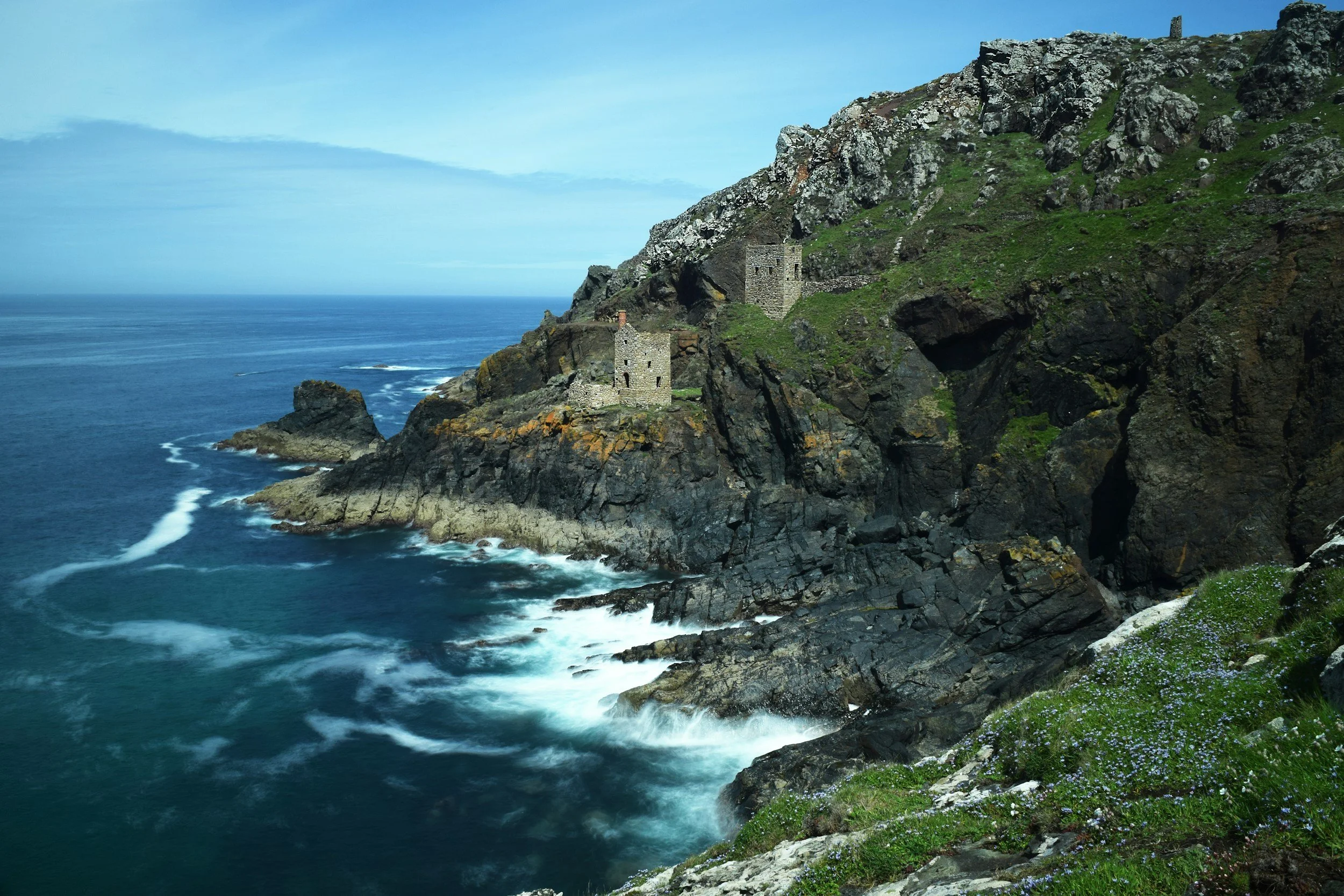
Disused mine buildings and shafts create roosts for bats
Leats and canals carve out niches for amphibians and waterfowl
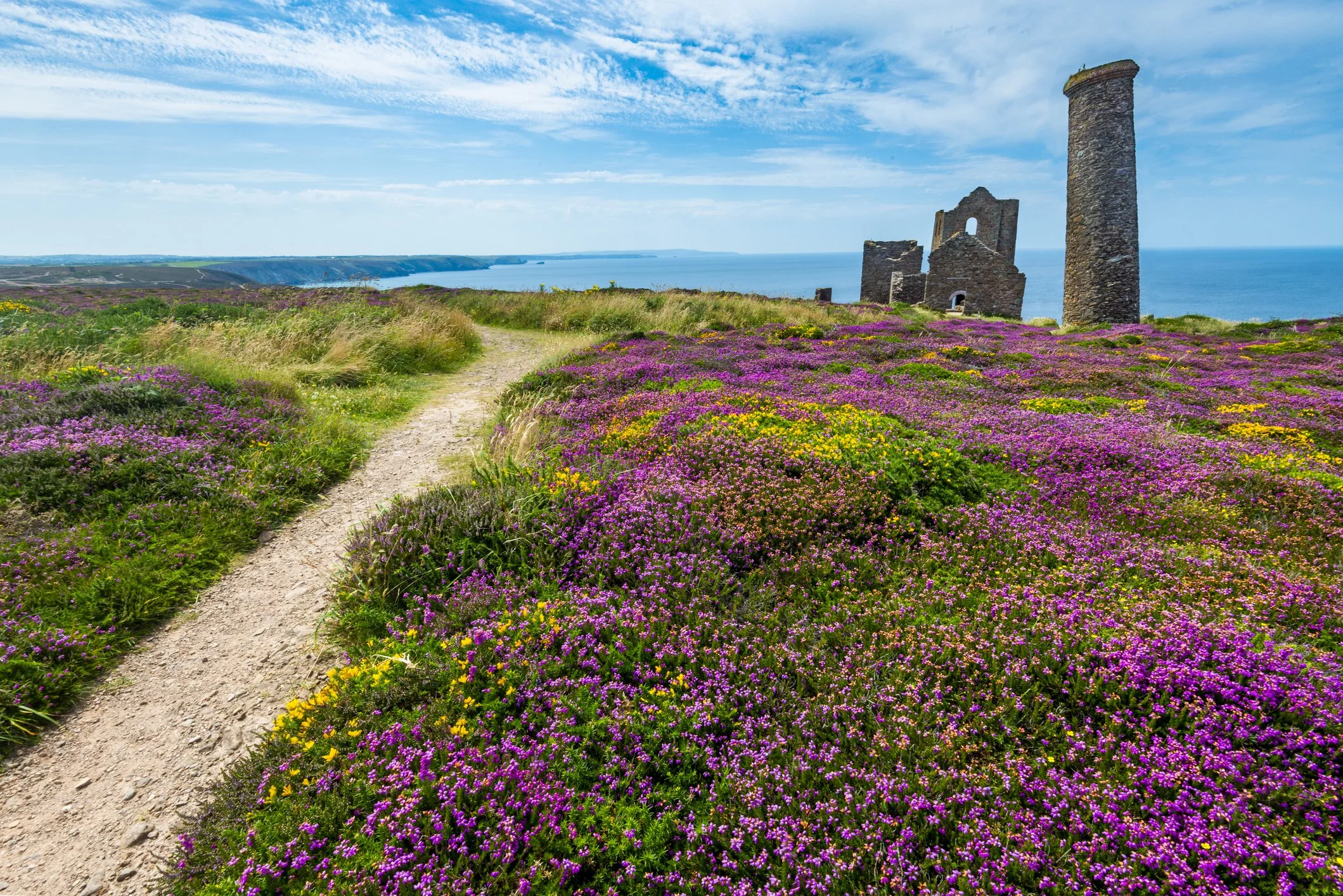
Tall chimneys provide nesting sites for Corvids and hunting perches for raptors
Cornish hedges around miners’ smallholdings support a range of small mammals and invertebrates
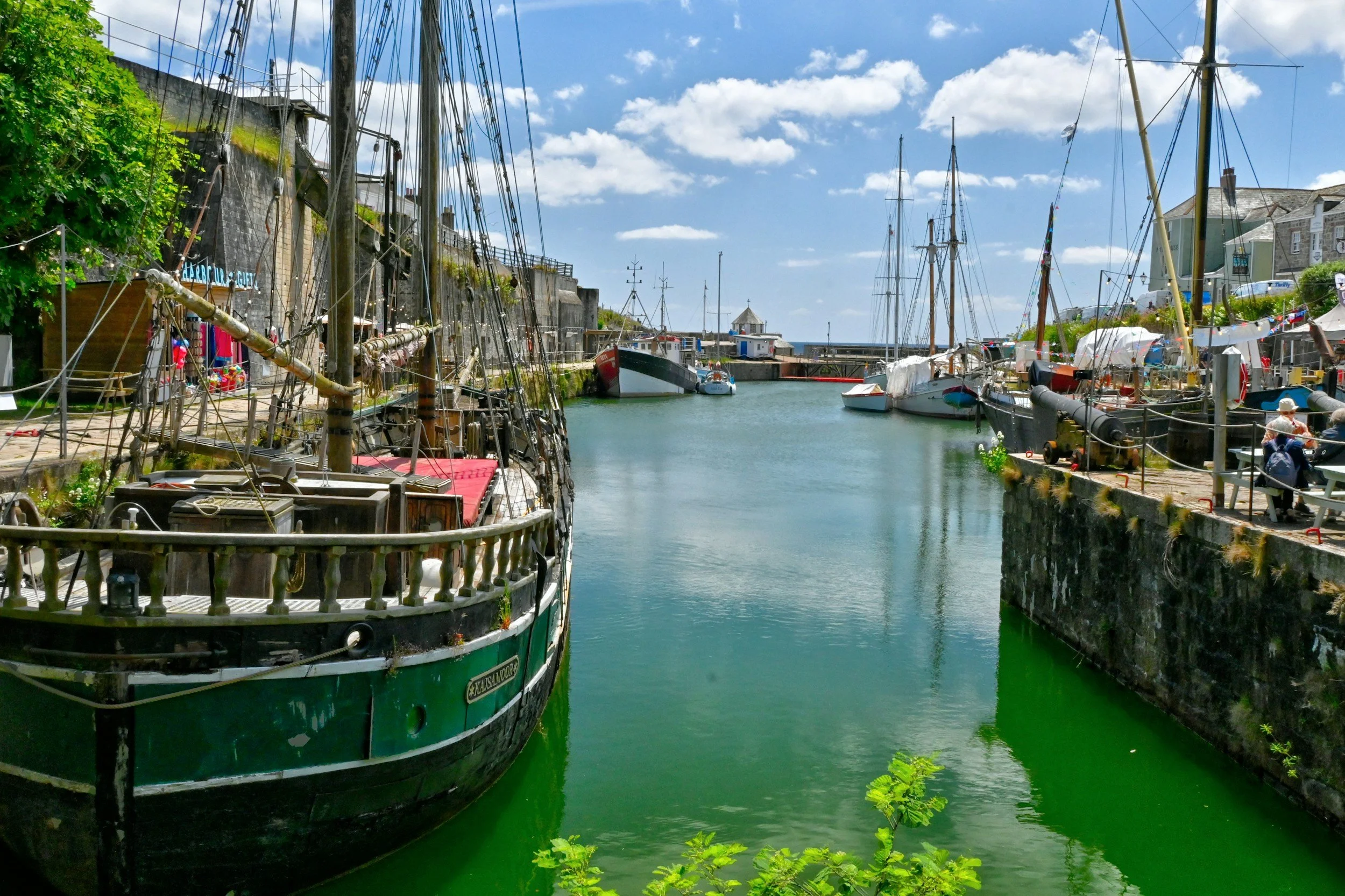
Old stone walls of harbours and quays support a wide range of marine life
These features were never intentionally designed to provide nature habitats. Yet over time they have become ecologically significant because natural processes have responded to the conditions created by human activity. Recognising that value perhaps changes how we think about restoration. Instead of replacing the past, we begin working with it.
Nature Recovery Doesn't Start From Scratch
Sometimes, there is a temptation to imagine nature recovery as creating something entirely new. But landscapes rarely begin with a blank sheet of paper. Every place already has a history. Existing habitats. Traditional land management, Communities with strong connections to place.
The most successful projects recognise those existing qualities and work with them rather than working against them. Nature recovery is often about revealing and strengthening what is already there rather than seeking to overwrite it.
Climate change is forcing us to think differently about how landscapes evolve. Species distributions are changing. Extreme weather is becoming more common. Communities need landscapes that are resilient as well as beautiful.
Historic landscapes have an important role to play. They remind us that people have always shaped nature, and nature has always responded. The challenge is to guide that relationship wisely, in ways that begin to significantly redirect that downward curve and keep ahead of the climate curve.
A Shared Future
One of the most encouraging developments in recent years has been the growing recognition that heritage organisations, conservation bodies, local authorities and communities increasingly share the same ambitions. The future of our most treasured landscapes will depend on recognising the connections between thriving wildlife and social identity, local distinctiveness and heritage rather than creating artificial divisions between culture and nature. When we stop treating history and ecology as separate disciplines, we begin to see landscapes for what they really are—living places where people, nature and time are woven together.
And perhaps that understanding is the strongest foundation we can have for nature recovery in the years ahead.
The outputs from the Ecological Audit of the Cornwall and West Devon Mining Landscapes can be accessed on the WHS website