

Scroll
Ecological consultancy services that find wins for you and wins for nature.
We believe it’s possible to make gains for nature in every project or plan, big or small. We offer ecology consultancy services to help you to make positive gain for biodiversity.
We can help with
‘Biodiversity Net Gain’ calculation and assessment
‘Building with Nature’ approved assessor
Phase 1 and NVC Habitat Survey
GIS mapping
Strategic planning for Nature Recovery Networks
Natural capital and ecosystems services studies
Green infrastructure plans and strategies
Habitat creation and management advice
Site management plans
Pollinator advice
Habitat Regulations Assessment
Biodiversity policy and strategy
Featured Projects
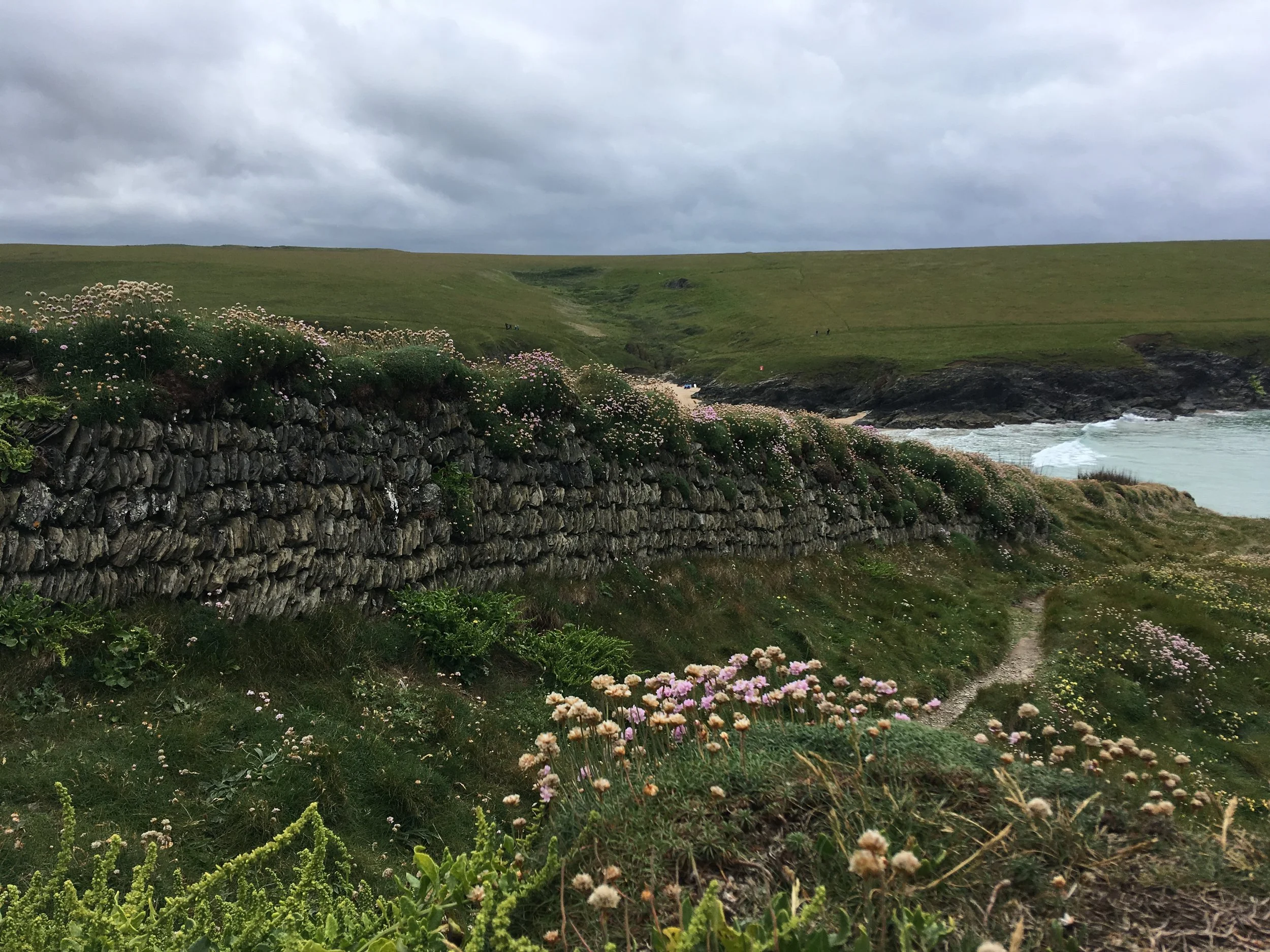
This really interesting project for the Cornwall National Landscape and funded by Defra, involved a deep dive into the ecosystem services provided by Cornish hedges. The output was a comprehensive dossier of research on the value of these amazing structures synonymous with Cornwall’s landscape. The research was accompanied with detailed ecosystem valuation that examined, carbon, flood mitigation, water quality and biodiversity services. The final report examined the current protection and funding mechanisms for hedge conservation and creation, making a number of key recommendations for improvement to the protection and enhancement framework.

Gain was asked by the World Heritage Site team to undertake an ecological audit of the World Heritage Site (WHS). The work involved a deep dive into information held by a wide range of national and local organisations regarding the ecology of the World Heritage Site, pulling together a detailed gazetteer. The data was used to develop a narrative regarding the specific habitat and species supported by the Outstanding Universal Value (OUV) of the WHS and to make detailed recommendations as to how the WHS Partnership can conserve and enhance nature within the designation. The work also involved detailed mapping of habitat change over a 20 year period and a detailed analysis of species records.
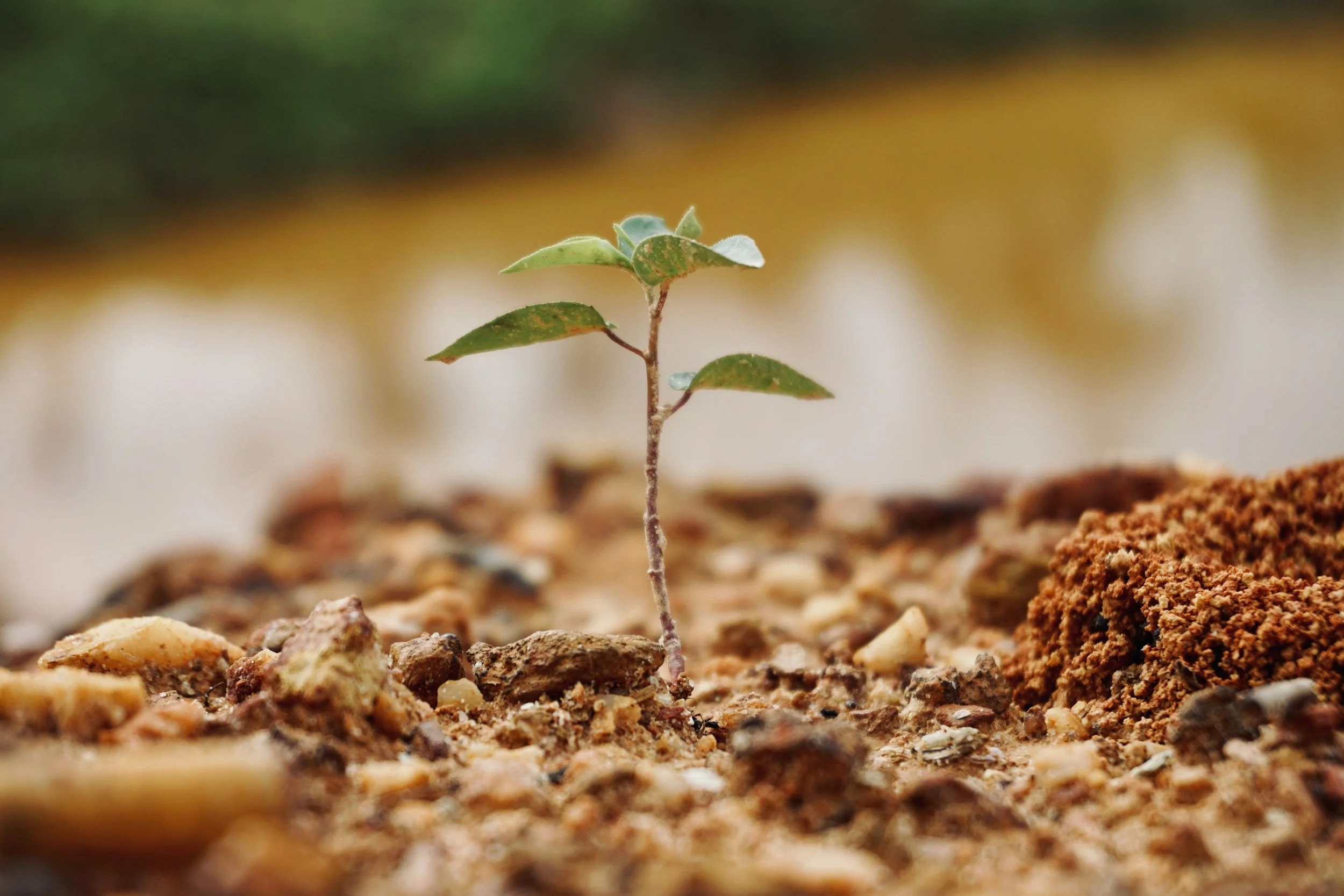
Does agroforestry deliver nature recovery? This was the question posed to Gain by the Forest for Cornwall team. The result was a complex four month project, establishing ecological baselines for agroforestry areas on nine case study farms. The work involved comprehensive habitat surveys and condition assessments. The project also delivered in-depth species surveys, establishing monitoring baselines for birds, bats and pollinators, engaging and involving landowners.

Gain has completed a six month piece of work on behalf of Cornwall Council, developing a large-scale nature recovery programme for the River Fal, Estuary, and marine area in Cornwall, facilitating landowners and stakeholders to develop the following broad outcomes,
· Large-scale recovery of habitats and species, including temperate rainforest restoration and interventions for target species
· A significant improvement in water quality and flows through sustainable land practices.
· Restoration of fish populations and control of invasive Pacific Oysters.
· Support for thriving Native Oyster, Seagrass and Maerl beds in the marine environment.
· Climate-resilient farming practices and carbon-sequestering landscapes.
· Sustainable farm businesses through regenerative practices and a thriving local food economy.
· Collaboration among farmers to share knowledge and best practice.
· Enhanced access on land and water.
· Increased community engagement , skills development and training.
The programme working group includes key landowners such as the National Trust, Tregothnan Estate, Trewithen Estate, Imerys, and the Duchy of Cornwall, along with other stakeholders - the Friends of the Fal, Cornwall Wildlife Trust, The University of Exeter, the West Country Rivers Trust, the Environment Agency, Natural England, the Forestry Commission and the Cornwall National Landscape.
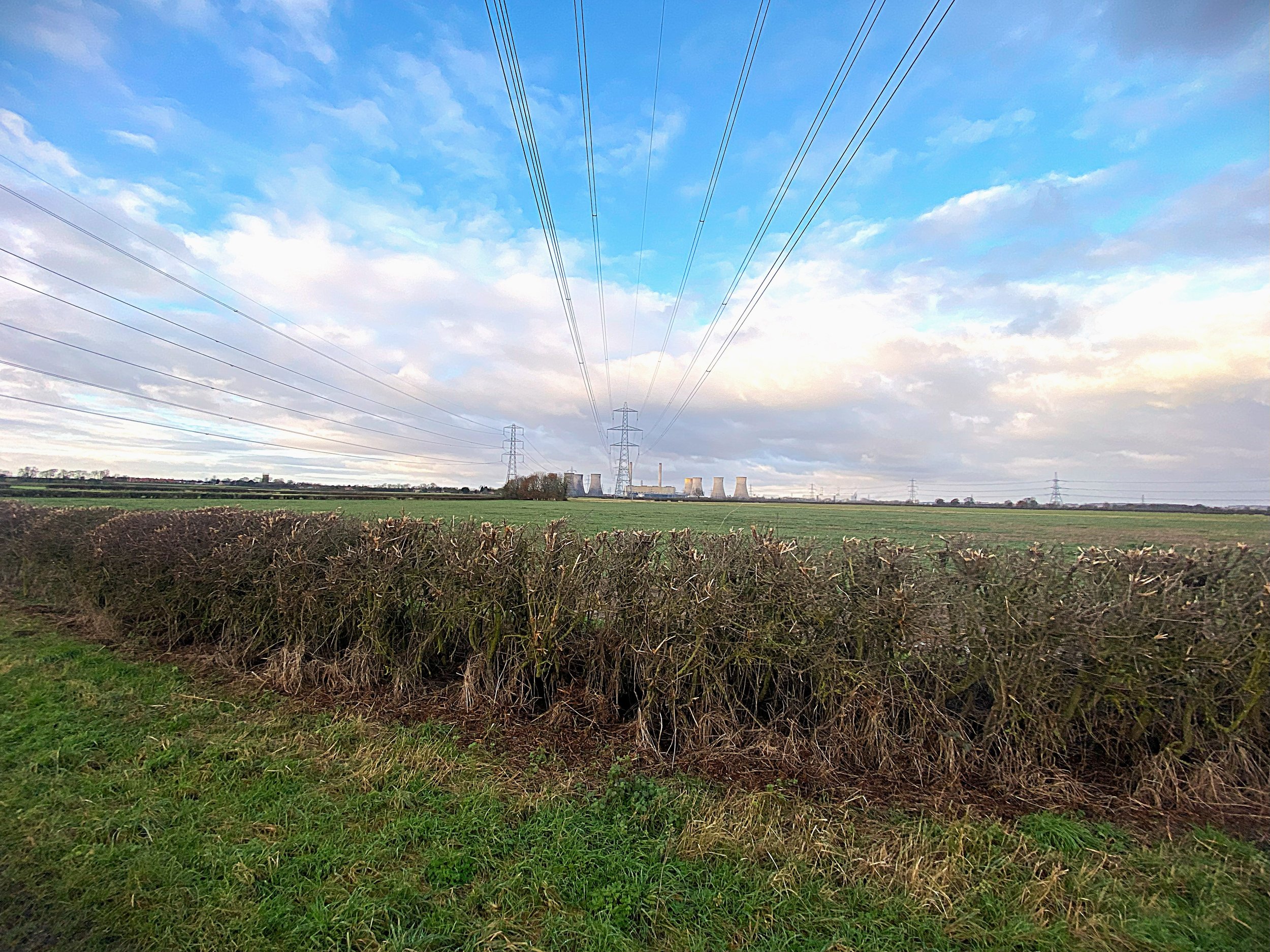
The Sturton Estate covers 4300 acres in North Notts, close to the River Trent and the West Burton Power Station, now the new site for testing nuclear fusion (STEP). The estate wanted to produce a masterplan to 2050 that looks ahead on a long time horizon to assist the estate to manage change effectively and sustainably.
The Masterplan is intended primarily as a guide for the estate itself and also to guide the work of industry partners operating on estate land. It also has a key role in communicating the estate's intended direction to the Local Authority, The Parish Council and the local community.
The Masterplan sets out a clear vision for the estate grounded in a cleaner, greener future. It establishes the estate at the heart of a thriving community with high-quality employment and recreation opportunities on the doorstep.
The Masterplan establishes how the landscape will be enhanced with a much-restored natural heritage, providing valuable benefits such as carbon capture, flood control, water quality and good soils. The masterplan also positions the estate central to the bigger picture regarding climate change with large-scale NSIP solar energy contributing to the net zero efforts of UK PLC.
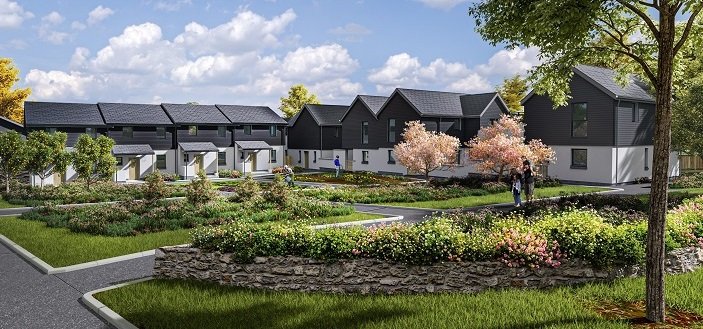
Treveth Holdings are an innovative development company providing new homes and commercial space in Cornwall. They are one of the first developers in the UK to receive B-Corp status.
Treveth wished to better understand better the statutory frameworks and processes of Biodiversity Net Gain, Carbon markets and Nutrient Neutrality and maximise the opportunities arising from these drivers, commercially and environmentally.
Gain produced a thorough piece of guidance for Treveth which detailed the requirements for BNG, Carbon Credits and Nutrient Neutrality through the lens of Treveth’s operation, appraising Treveth’s holdings, assessing the potential requirement for Biodiversity and Nutrient Neutrality Units and the potential for the generation of Carbon Credits and creation of Habitat Banks.
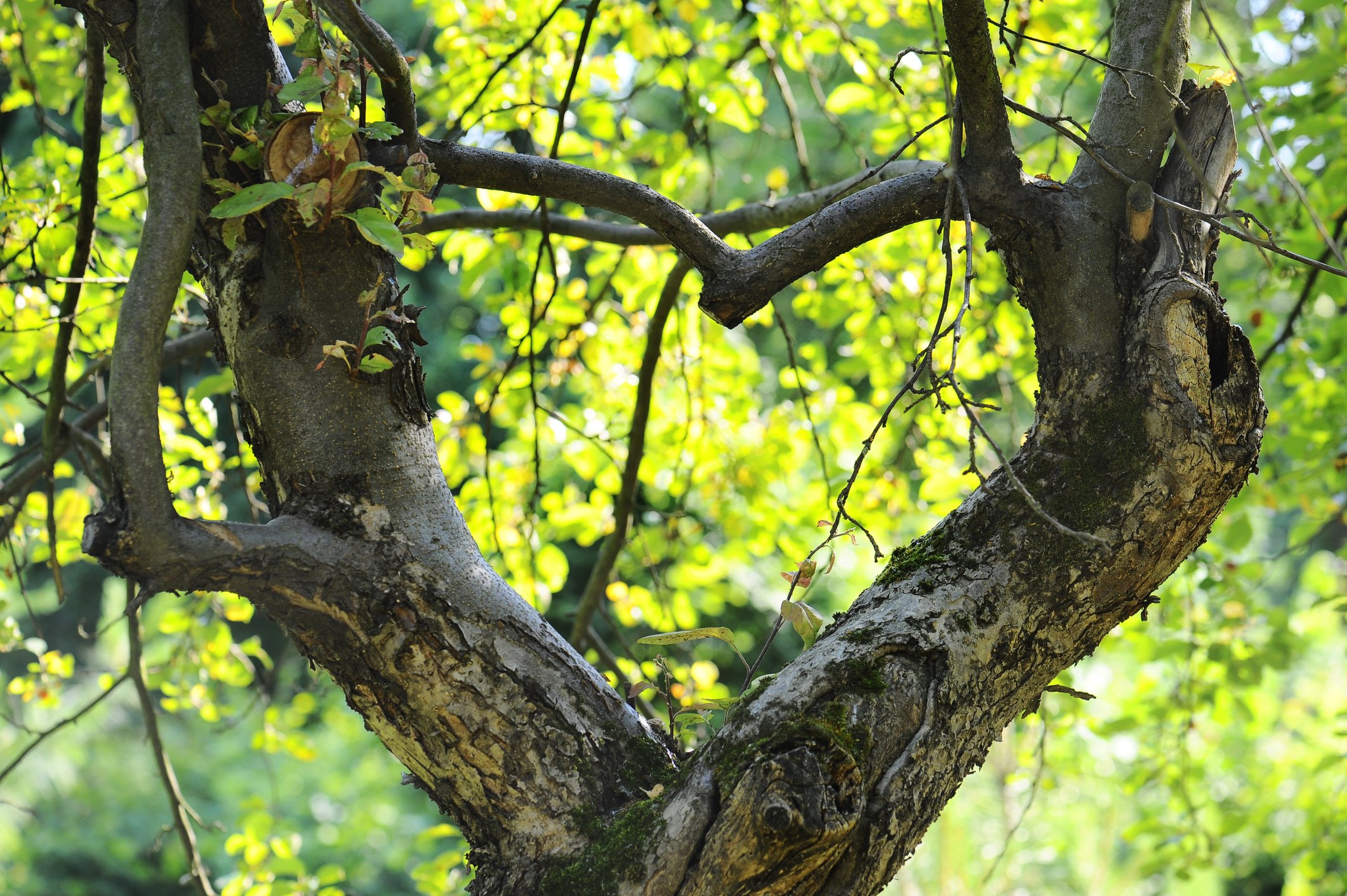
Gain has been appointed by Cornwall Council to help deliver the tree and woodland planting targets for the Council’s ‘Forest for Cornwall’ initiative. This a major, ongoing project, due to complete in 2025.
The work involves partnering with landowners to develop their woodland planting ambitions. Phase 1 involves understanding sites, the constraints and opportunities for woodland planting and agroforestry, scoping designs and the best routes to funding, depending on the plans. Phase 2 involves working up the schemes to full woodland planting design and working with landowners to submit funding applications.
The project is funded by Defra as part of their National Woodland Creation Partnership Pilot with Cornwall Council, funded through the Nature for Climate Fund. Gain is supported in this work by associate Dr Grace Twiston-Davies of the Wildflower Collective.
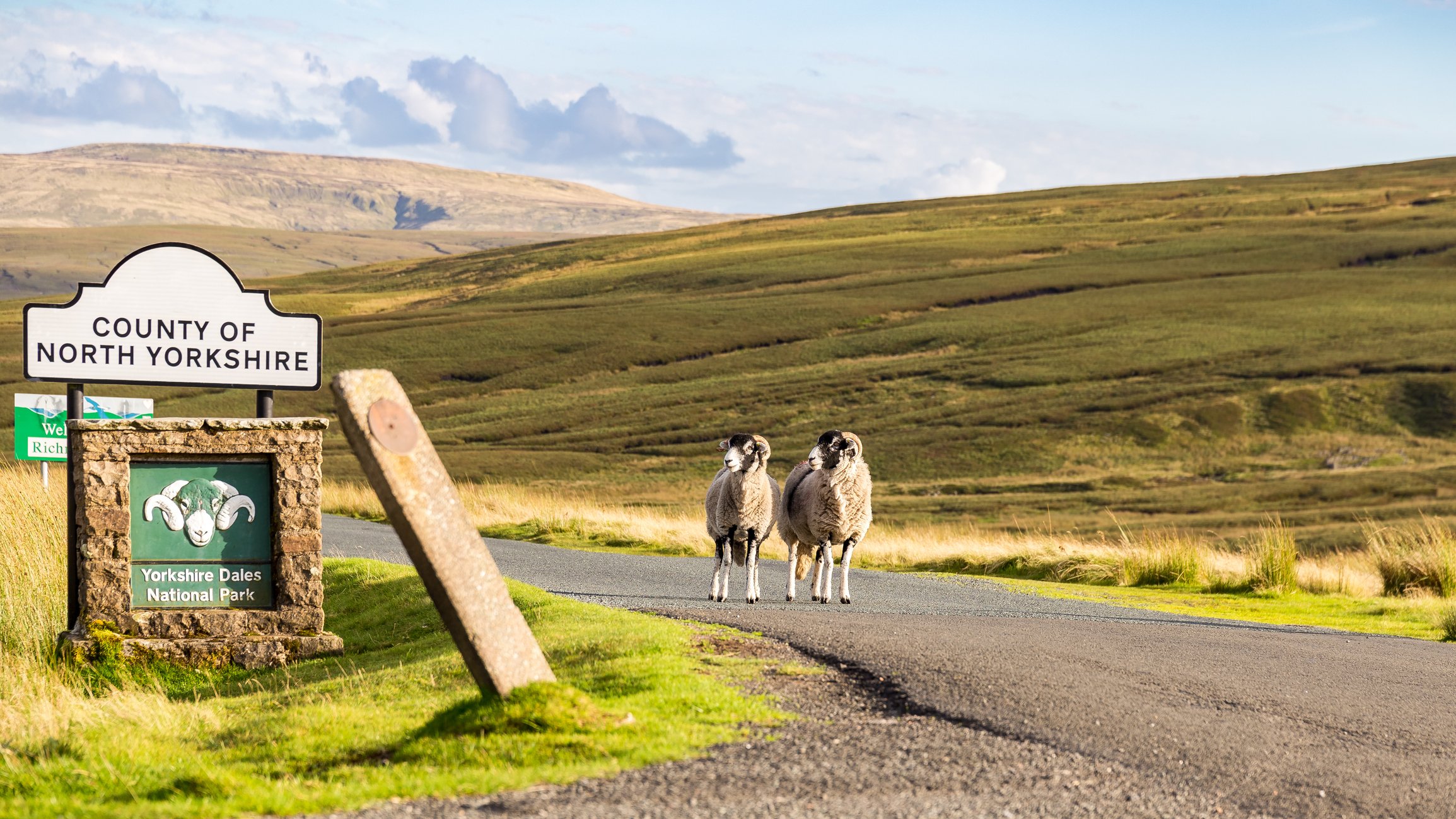
Gain was appointed by Natural England to produce joint guidance for the production of Management Plans for National Parks, Areas of Outstanding Natural Beauty and The Broads. The guidance takes forward the government commitment made in its response to the Glover Review of Protected Landscapes.
The guidance is comprehensive, covering context and background of protected landscapes, policy and legislative frameworks, processes of production, creating content and plan delivery. The guidance covers the role of Protected Landscapes Management Plans and Partnerships in several key initiatives, including their critical role in delivering 30 by 30 and tackling climate change.
Gain liaised with a steering group of Protected Landscapes managers and several working groups from both National Parks and AONBs. The guidance is now in text format, awaiting further consultation across the Protected Landscapes family and the intention is for the final guidance to be a web based resource for use by Protected Landscapes across the country.
Talk to us about how we can gain biodiversity together.