Why Protected Landscape Management Plans Matter More Than Ever
After producing national-level guidance for National Landscape and National Parks management plans on behalf of Defra and Natural England, Colette Holden reflects on the future of protected landscape management plans….
Management plans have been quietly unfashionable. A management plan for a National Park or a National Landscape can seem like a remote undertaking, particularly when the people producing it rarely directly own or manage the resource it aims to protect.
Management plans don't often attract headlines. They don’t come with ribbon-cutting ceremonies or dramatic before-and-after photographs. People often view them as statutory requirements to produce every five years, then quietly shelved.
And yet, I would argue that they are some of the most important documents in environmental management - and increasingly are not documents at all.
Done well, a management plan is far more than a 5-year strategy. It is a shared vision for a landscape. It brings together evidence, policy, ambition and partnership into a single direction of travel. It can provide confidence for decision-makers, clarity for funders and, perhaps most importantly, a framework that helps people work together - a high-level umbrella that coalesces organisations and people into action.
In a world of increasing complexity and uncertainty and against a background of shrinking public resources, that has never been more vital.
More Than a Statutory Requirement
Protected Landscapes have always been places of multiple purposes and multiple interests.
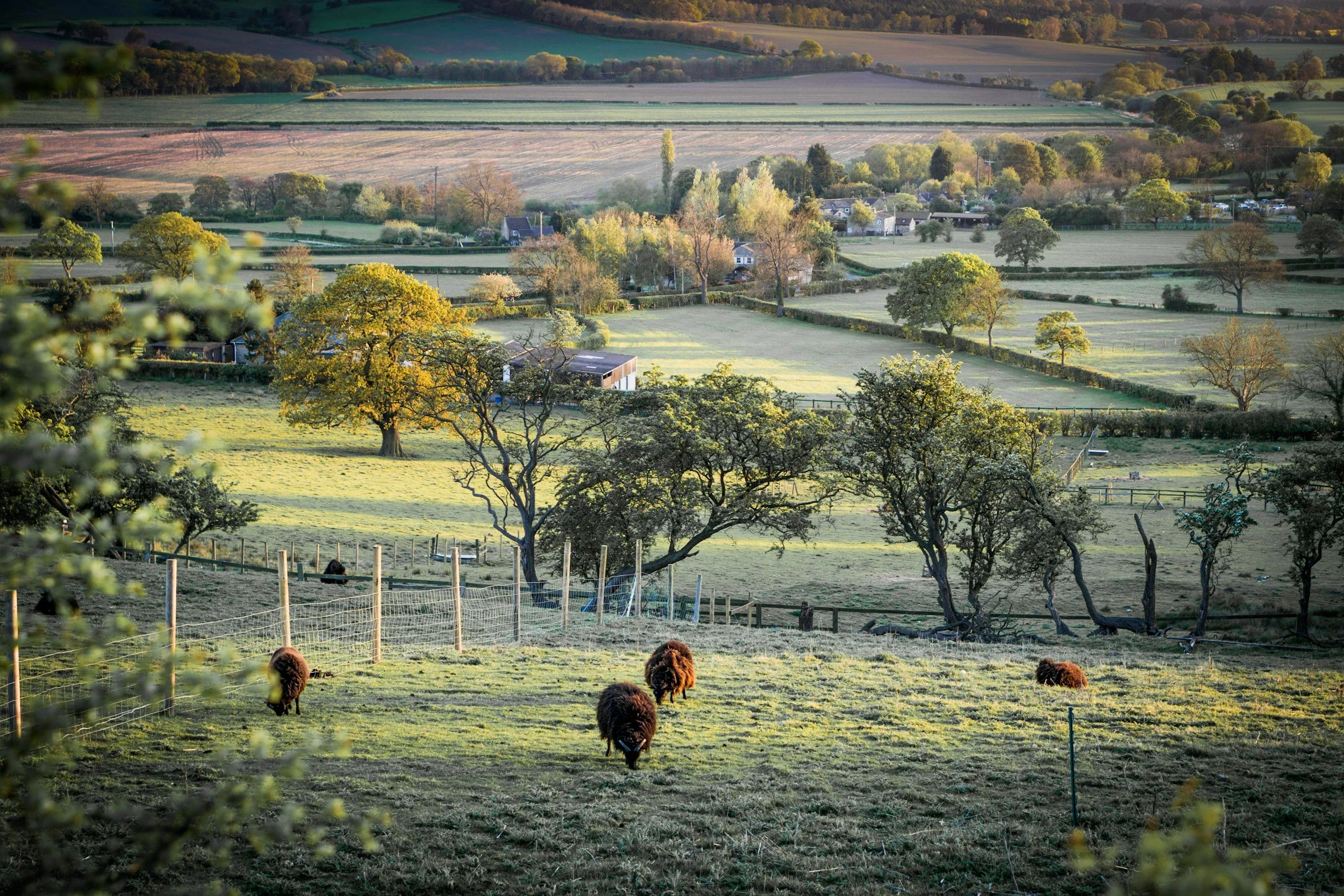
They are places where nature sits alongside farming, tourism, heritage, recreation, housing, climate resilience and local livelihoods. Every decision has consequences. Every business, farm, and organisation acting in the space has different priorities and often wildly different management approaches.
A management plan is one of the few documents that attempts to bring all of those perspectives together.
At its best, it answers a deceptively simple question:
What do we want this landscape to be over the next twenty years?
That question is bigger than deciding which habitats to restore or which footpaths to improve.
It is about the future identity of a place.
What kind of landscape are we creating for the next generation? How will communities make a living here? How will wildlife recover? How will people and nature respond to a changing climate? How do we enhance landscape character and local distinctiveness, while allowing places to evolve?
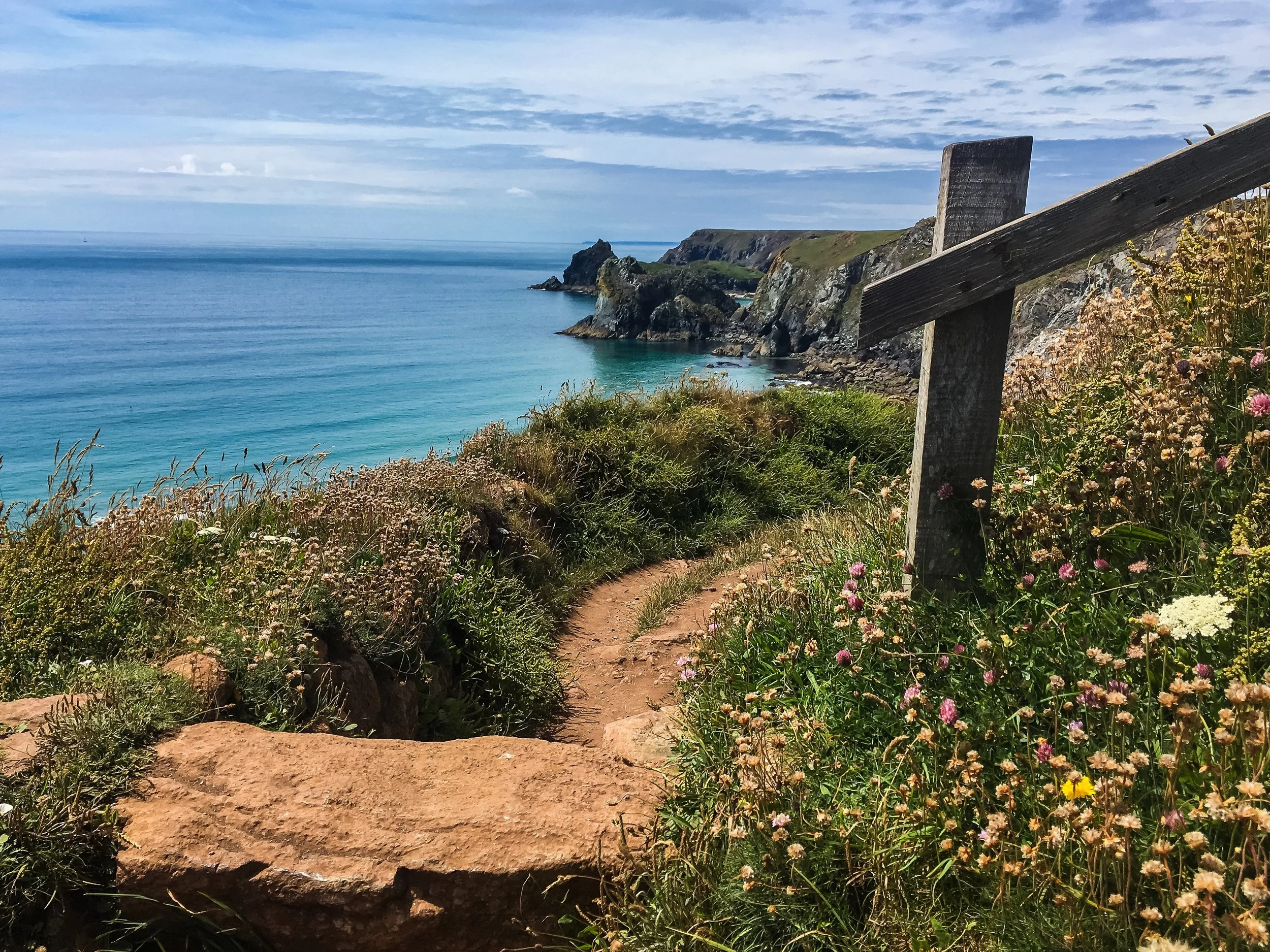
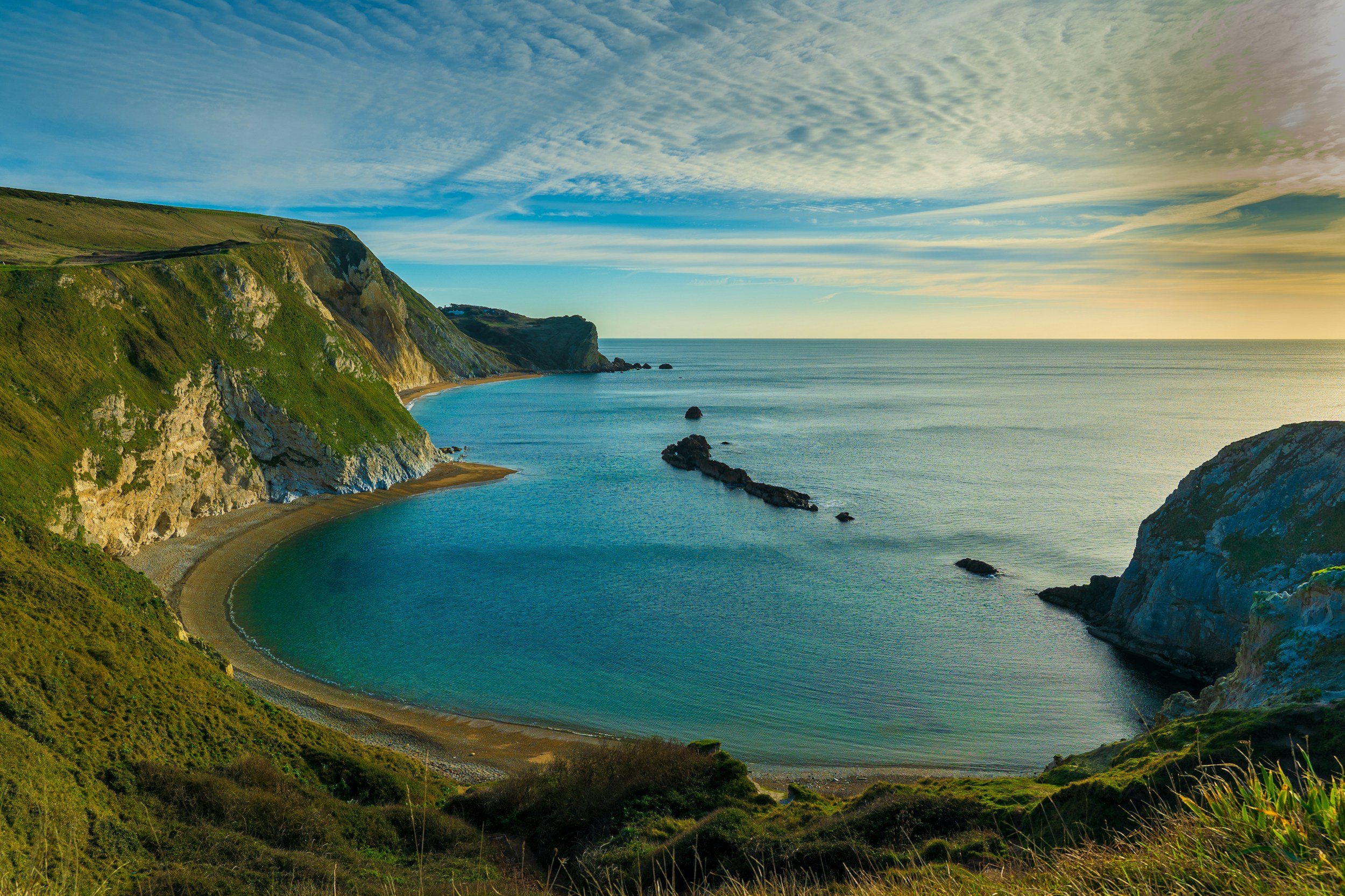
I often think of it in terms of colours. Diverse landscapes with strong identities and a recognisable sense of place are an amazing jigsaw of bright contrasting colours. That is what lets us stand in a place and recognise it instantly. If we were blindfolded and taken to a place, it is how we would know, once the blindfold had been removed, that we were standing in the Lakes, Cornwall, the Malvern Hills, the High Weald, or the Broads. A management plan outlines how places exist in modern times without all of those colours being mixed together, until we’re looking at grey - anywhere places - unrecognisable.
Changing landscapes
When the first Protected Landscape management plans were written, the world looked very different.
Climate change was recognised, but it was not yet shaping every policy conversation. Researchers were documenting biodiversity loss, but it had not entered public consciousness as it has today. Concepts such as Biodiversity Net Gain, Local Nature Recovery Strategies and natural capital had not yet materialised.
Today our protected landscapes are expected to respond to all of these challenges simultaneously. In fact, they have become the cornerstones of key environmental policies such as the drive to recover 30% of nature by 2030 (30 by 30).
That means management plans can no longer be static descriptions of a landscape with rigid actions over a five-year period.
They must be dynamic frameworks for change.
A modern management plan should help answer questions such as:
Where are the best opportunities to deliver 30 by 30?
How can farming remain economically viable while measurably turning the dial on nature loss?
Which places are most vulnerable to climate change, and how can we support communities to be resilient to climate shocks?
Where should investment be targeted, where is the investment coming from, and how can private sector investment be levered in at scale?
How can communities become active partners in managing their landscape, taking ownership of both plan and place?
These are practical questions with real consequences for funding, policy and partnership working.
Plans in practice
One of the greatest compliments you can pay a management plan is that it becomes worn out - figuratively speaking - done to death!!
A good plan is able to be extensively referenced -relied on to guide change. They should be referenced in meetings, quoted in funding applications and used to justify investment. It should inform planning decisions and shape partnership priorities. People should know where it is and what’s in it because they use it regularly.
Unfortunately, not every plan achieves that.
Sometimes documents become so comprehensive that they become difficult to navigate. Sometimes they try to satisfy everyone and end up providing little strategic direction. Occasionally they are written in language that feels more like policy compliance than inspiration.
A good management plan does something different.
It is evidence-based without becoming overwhelming.
It is ambitious without becoming unrealistic.
It is practical without losing sight of long-term vision.
Most importantly, it is co-written with the partners and local communities that will use it, and reflects their priorities, while the elements of natural beauty that make these places so special remain as the True North.
The Process Matters as Much as the Plan
If I've learnt one thing from working on both protected landscapes management plans and strategic plans for nature recovery, it is that the conversations are often more important than the document itself. Developing a management plan brings together people who may not normally sit around the same table. Farmers, local authorities, environmental organisations, businesses, parish councils, community groups and government agencies all have different perspectives and different priorities.
Listening, challenging assumptions, and building a shared understanding is where trust begins, and that is a precious intangible thing that is often underestimated, but that drives cooperation and delivery. A partnership that has developed a plan together is much more likely to deliver it together.
The final plan is important. But the relationships formed during production often make implementation possible.
Planning for Uncertainty
Perhaps the biggest challenge facing today's management plans is uncertainty.
No one knows exactly how landscapes will respond to changing weather patterns, rising temperatures or emerging pests and diseases. Farming policy continues to evolve. Public finances fluctuate. New technologies create opportunities that didn’t exist a decade ago, but that are already creating their own environmental headaches.
The answer is not to produce more detailed prescriptions. It is to create adaptable plans so action springing from them can pivot, change, and adapt to rapidly changing circumstances. Good strategies provide direction while remaining flexible enough to respond to changing circumstances.
Landscapes have always evolved, and our planning should be able to evolve with them.
Looking Ahead
I believe management plans are entering a new chapter. They can guide nature recovery, climate resilience, sustainable farming, green infrastructure, and community wellbeing within a single vision for place. Management plans are a critical opportunity for all stakeholders to shape the plan and fulfil its potential as a powerful tool for delivery and investment.
Don't judge a management plan by the quality of its design or the number of pages it contains (though good design aids usability).
Measure its success by the conversations it starts, the partnerships it strengthens, and the actions it enables.
And in landscapes where the future depends on collaboration, that may be their greatest value of all.