

Cornish Hedges: Cornwall’s quiet hero
There are few features more familiar in the Cornish landscape than the Cornish hedge.
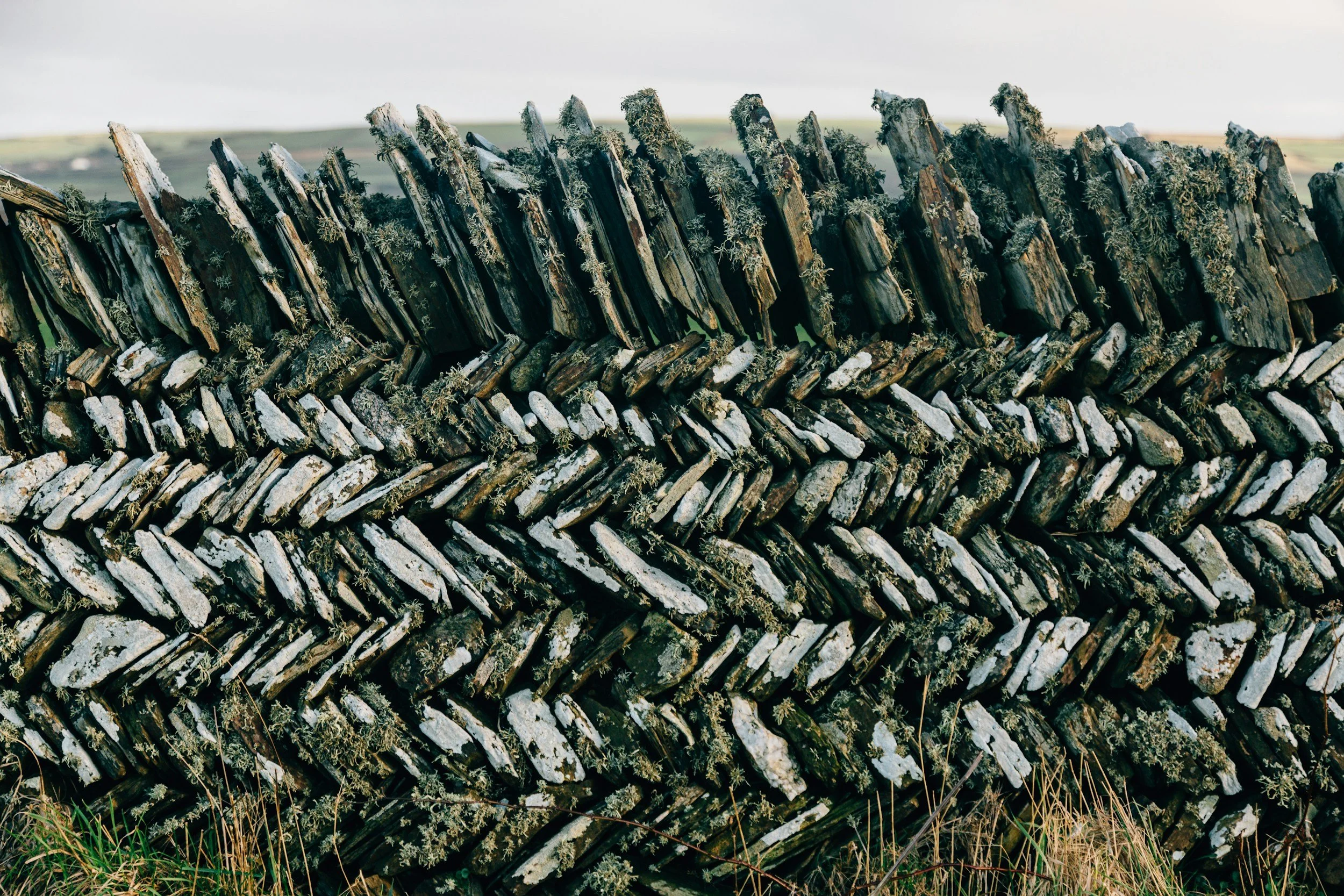
Drive along almost any country lane in Cornwall, and you'll find them stretching across hillsides, enclosing fields, following ancient routes and defining the character of the countryside. They are so common that it's easy to stop noticing them altogether. And yet, I would argue that Cornish hedges are one of the most remarkable pieces of environmental infrastructure in Britain. Ordinary enclosures, doing extraordinary things.
More Than a Boundary
At first glance, a Cornish hedge appears to have a simple purpose: separating one field from another for crop or livestock management….But spend a little time looking more closely at these fascinating structures, and a different picture emerges.
The stone faces absorb the warmth of the sun, creating tiny microclimates where lichens, mosses and ferns thrive. Cavities between the stones provide shelter for insects, amphibians and small mammals. The earth core supports a myriad of woodland wildflowers - relics of landscapes that have long disappeared, while the shrubs and trees growing above create nesting sites, food sources and movement corridors for birds, bats and pollinating insects. A single hedge can contain an extraordinary diversity of life.
Multiply that by the estimated 30000 kilometres!! across Cornwall and you begin to appreciate their significance. Their linear form stretches across quite often fairly barren and intensively managed agricultural landscapes. They are not isolated habitats - they are the threads that stitch the landscape together.
The Original Green Infrastructure
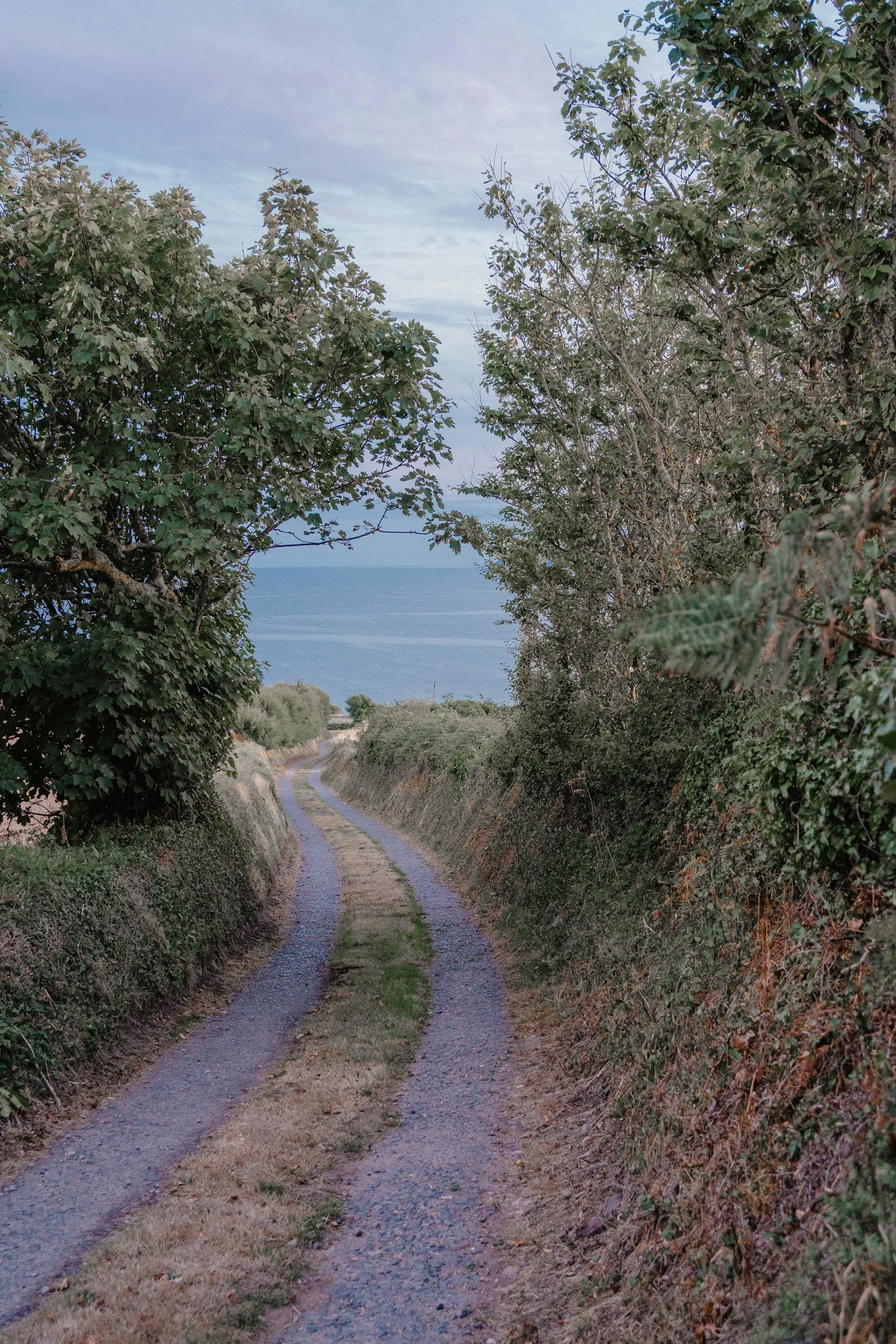
Today we talk confidently about green infrastructure. We produce strategies, maps and policies to connect habitats and improve ecological networks.
Long before those terms entered the conservation world, Cornish hedges were already performing many of those functions, connecting woodlands, linking river corridors, providing shelter, shade and diversity of browse for livestock. They were already quietly reducing soil erosion, slowing the movement of water across farmland, filtering pollutants and stashing away carbon.
From an aesthetic perspective, they strengthen the distinctive character that makes Cornwall instantly recognisable and extraordinarily beautiful, the foundation of Cornwall’s tourist economy. They provide structure to and define the public rights of way network and provide green and natural places to run, ride and cycle. The remarkable thing is that they achieve all of these functions simultaneously, making them a very valuable asset indeed.
Built by Generations
One of the things I absolutely love most about Cornish hedges is their readable time depth. In other words, they reflect generations of accumulated knowledge and hands-on graft.
Each hedge is different, responding to the local geology, the local style and the skills and ideas of the individual hedger. They followed the contours of the land and evolved through practical experience rather than engineering manuals. Every hedge tells a story about the people who shaped the landscape before us.
That historical dimension matters so much. When we restore a hedge, we are not simply improving habitat. We are maintaining a cultural landscape that has evolved over centuries. Ecology and heritage become inseparable. The landscape is richer because of both.
I find it interesting that when most of Cornwall’s hedges were built (between 600 and 3000 years ago), the concept of climate change simply didn't exist, yet we find ourselves inheriting a structure that could be one of Cornwall’s most valuable assets for landscape climate resilience.
Recovering the resource
Time has often not been kind to Cornish hedges. Like other field boundaries across the country, they have been subject to large-scale, often incentivised, removal. The large-scale, complex stone structure requires ongoing maintenance, and it's clear that the subsidies on offer do not meet the ongoing costs of Cornish hedge maintenance, repair and restoration.
One reason Cornish hedges have endured is that they have always served practical purposes.
They enclosed livestock.
Protected crops from wind.
Defined ownership.
Used local stone that was already available.
Their ecological value developed alongside their agricultural function, which is an important lesson for modern nature recovery. The most successful environmental interventions are rarely those that ask land managers to choose between farming and nature.
Supporting farmers to restore hedges, improve soil health and strengthen ecological networks benefits both agriculture, biodiversity and a range of other benefits such as flood control. These are shared outcomes, not competing objectives, and the real question is: can we afford not to invest in them long term if we want to keep realising the vast benefits that flow from them?
Looking Ahead
Nature recovery obviously and undoubtedly needs the large, landscape-scale projects. But it will also depend on caring for the features that already exist and need investment now to protect them into the future. The landscapes we value today were not created overnight. They emerged through countless small decisions made over generations - every hedge repaired, every hedging course arranged, every new hedge created.
These are the quiet acts that gradually shape healthier landscapes. Cornish hedges remind us that resilience is rarely dramatic. It is built patiently, one stone at a time. Cornish hedges define Cornwall's landscape and show us how lasting environmental change happens through practical action, careful stewardship and continual investment of time, resources and effort.